 DeFi Market
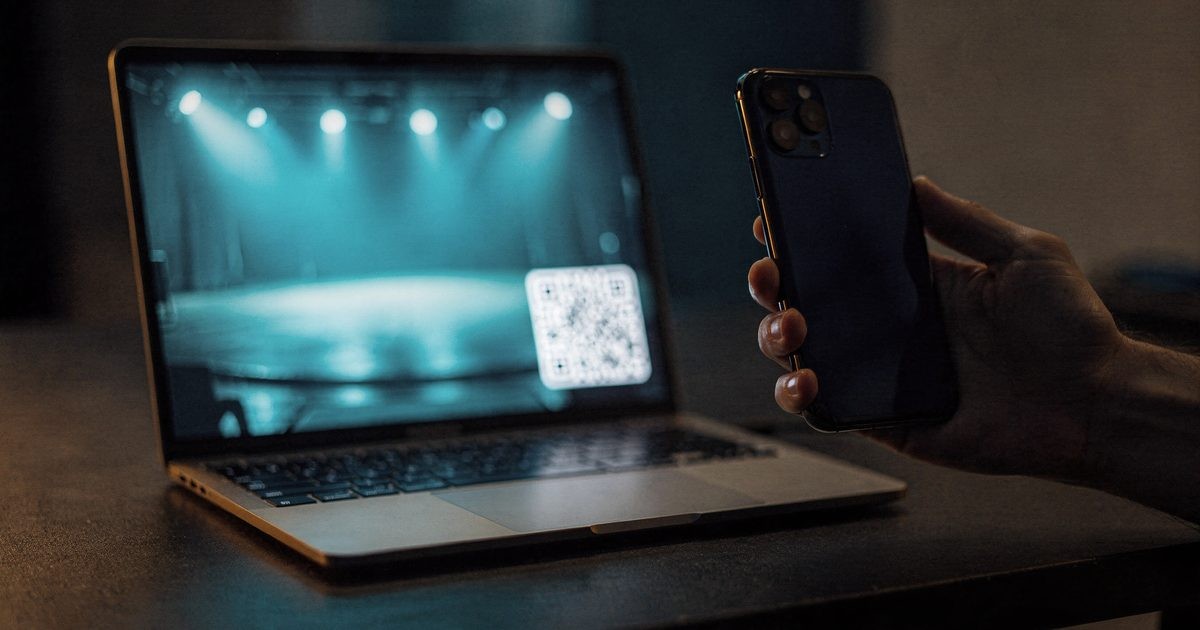
A deepfake crypto giveaway scam is a fake "live" video of a famous person, usually Elon Musk, promising to double any crypto you send to a QR code or wallet address on screen. The stream runs on a hijacked or lookalike YouTube or X channel, the face and voice are AI-made or recycled, and the viewer count is often inflated. Nobody sends anything back. If a video asks you to send crypto first, it's a scam, however real the face looks.
What is a deepfake crypto giveaway scam?
It's the oldest crypto con online with a new face. "Send 1 BTC, get 2 BTC back" is years old. What changed is the packaging: a Tesla stage, a SpaceX launch or a news interview, with a synthetic version of the famous person reading a script about a "limited giveaway" while a QR code sits in the corner.
The FBI's 2025 Internet Crime Report (April 2026) logged 22,364 complaints that mentioned AI, with losses of more than $893 million. It singled out investment schemes that "employ AI-generated videos and voices of celebrities, CEOs, or trusted figures." The FTC was already counting the Musk version years ago: in its May 2021 Data Spotlight, people reported sending more than $2 million in crypto to Elon Musk impersonators in just six months.
The best measurement of the livestream version comes from a peer-reviewed paper, "Give and Take" (ACM Internet Measurement Conference, 2024), which tracked giveaway scams on X, YouTube and Twitch, followed the links to the scam sites and traced the payments on the blockchain. Its headline: about 4 in every 100,000 livestream views turned into a victim, and the scams it measured collected nearly $4.62 million from a few hundred people. Tiny odds, huge reach. That's the whole business model.
How the fake livestream is built
The channel is stolen or dressed up. In 2021 Google's Threat Analysis Group described hackers sending YouTubers fake sponsorship offers, planting cookie-stealing malware and taking over channels. BleepingComputer reported that the stolen channels were either rebranded to impersonate tech executives or crypto exchanges for live giveaway scams, or sold for $3 to $4,000 depending on subscriber count. That's why a scam stream can come from a channel with a big following and years of old videos.
The video is AI-made, recycled, or both. The Atlantic Council's Digital Forensic Research Lab took apart one stream from June 18, 2024. A gaming channel with 420,000 subscribers and a verification badge had been renamed @Tesla_Event_Live24. It looped a 200-second clip of a Tesla stage event, altered so Musk appeared to tell viewers to deposit crypto at a misspelled domain, telsa-bitcoin.com. In about two hours, the wallets on that site took in $50,537.
The crowd is fake. Most guides skip this part, and it's the part that convinces people.
Why the "live" view counts and comments are faked
DFRLab saw up to 81,000 concurrent viewers on the fake Tesla stream and didn't buy it. Its researchers screenshotted the counter every minute, 223 times, and charted it. The count jumped by as many as 20,000 viewers at a time, joining and leaving in blocks. DFRLab concluded the viewership was likely as inauthentic as the video.
The chat is staged too. On that stream, comments were switched off for most users. The only messages came from a moderator account named "Elon Musk," claiming more than 750 BTC had already been sent out to viewers. When chat is open, watch for a handful of accounts posting "I got paid" and nobody asking a question.
A big number, a silent room and a few cheerleaders. That combination is a giveaway in itself.
⚠ Red flag
A verification badge doesn't protect you here. The fake Tesla channel DFRLab studied had one, because the badge came with the hijacked gaming channel. YouTube's own impersonation policy lists adding words like "Official" or "Live" to a real name as an example of a fake channel. Check the handle, not the checkmark.
How to tell in 10 seconds: the checks
You don't need to spot the deepfake. The FBI's December 2024 warning on generative AI lists visual tells like irregular faces, odd eyes and teeth, lag and voice mismatches. But the fakes keep improving, and you can catch this scam without judging a single pixel.
| Check (about 10 seconds each) | What a scam stream shows | Why it settles it |
|---|---|---|
| What does it ask you to do? | Send crypto to a QR code or address to get double back | Real giveaways never need you to pay first. This check alone settles it. |
| Read the channel handle | A real name plus "Live," "Event," "Official," "Giveaway" or a number, like @Tesla_Event_Live24 | Companies stream from their own long-standing handle, not a variant |
| Open the channel's videos tab | Old gaming or vlog uploads, or only recent streams | That's what a hijacked, rebranded channel looks like |
| Look at the chat | Turned off, or only a "moderator" and "I got paid!" messages | A real stream's chat is busy and messy; a scam's is silent or scripted |
| Watch the QR code | It stays on screen the whole time | It stays up for most of the stream. Real events don't put a payment code on screen. |
| Read the web address | Lookalike spelling, like telsa-bitcoin.com | Real offers live on the company's own domain |
| Watch for 30 seconds | The same clip repeats, or the speaker never reacts to anything live | The DFRLab stream was a 200-second loop |
| Check the clock | "Only during this stream," "first 1,000 participants," a countdown | Urgency stops you running these checks |
Still not sure about a stream, a site or a message? Take our is this a scam? quiz, or browse every guide in the Scams hub.
Where the money goes after you scan the code
The giveaway page shows a wallet address, sometimes beside a fake feed of people being paid double. Here's what blockchain data says happens next.
The odds per viewer are tiny, so these streams run for the few people who send big. And the receiving wallets change often, which makes the money harder to follow.
Some giveaway pages ask you to "connect your wallet to claim" instead, so you sign a permission that lets the site move your tokens. If you signed anything, read our guide to checking and revoking token approvals right away.
Prefer to watch? How to spot a deepfake crypto giveaway stream, in under a minute.
I sent crypto to a giveaway address: what to do now
Crypto transfers don't reverse. Fast, accurate reports still give exchanges and investigators a chance to flag the addresses.
- Send nothing else. A "verification deposit" or "unlock fee" to receive your doubled coins is the second half of the same scam.
- Save everything before it disappears. Livestreams often vanish when they end. Capture the stream, the channel handle and URL, the website, the wallet address you paid, the amount, the time and the transaction ID.
- Call your exchange now. If you sent from an exchange account, contact its support through the app and give them the receiving address and transaction ID. Ask them to flag it. If you used a self-custody wallet and connected it to the giveaway site, revoke approvals and move what's left to a new wallet.
- Report to the FBI. File at ic3.gov. Type the address yourself: the FBI warned in July 2026 that scammers have used AI-generated videos of a senior FBI leader to push victims to a spoofed IC3 complaint site. Include the receiving addresses, transaction details and how you found the stream.
- Report to the FTC. File at ReportFraud.ftc.gov too.
- Expect a "recovery" pitch, and ignore it. People who post that they lost money often hear from "recovery experts" soon after. That same July 2026 FBI warning says impostors posing as FBI and IC3 staff target past victims. Real agencies don't charge to get your money back.
How to report a deepfake crypto livestream on YouTube and X
Report even if you didn't send a cent. Streams run for hours.
On YouTube: under the video, tap the three dots (More), then Report, and choose the closest reason, such as spam or misleading content, or impersonation. To report the channel itself, open the channel page, tap "more" in the description, then "Report user." YouTube's reporting help page says a channel report doesn't review the videos, so report the stream too.
On X: open the post or the account profile, tap the three dots, and choose Report. For a fake account posing as a real person or company, use X's impersonation form and choose the "someone else" path. X says it may need a report from the person being impersonated before it acts.

Rob's take
I spent 18 years in PR, and I can tell you the cheapest thing at any event is the crowd shot. These scammers know it. So stop grading the video. I've held Bitcoin since 2011, and in all that time no famous person has ever needed my coins to give me more coins. When a stream asks you to send first, you already have your answer. Close the tab and report it.
Related: are crypto airdrops real? and crypto wallet support scams.
Deepfake crypto giveaway scam FAQ
Is Elon Musk really giving away crypto on YouTube?
No. Every "double your crypto" stream using Musk's face or voice is a scam, whatever the channel is called. In 2021 the FTC said people reported sending more than $2 million in crypto to Musk impersonators in six months.
Why does the scam livestream show thousands of viewers?
Because the count is often faked to make the stream look trusted. Researchers tracking one fake Tesla stream saw the counter jump by up to 20,000 viewers at a time and judged the numbers likely inauthentic. A big audience with a disabled or silent chat is a warning sign.
Can a verified YouTube channel run a crypto giveaway scam?
Yes. Scammers hijack real channels, rename them and keep the subscribers and badge. One fake Tesla channel with 420,000 subscribers and a badge had been a gaming channel. Check the handle and old videos, not the checkmark.
How can I tell if a crypto video is a deepfake?
Look for odd eyes or teeth, lag, and a voice that doesn't match the lips, but don't rely on it. The reliable test is the ask: if the video wants you to send crypto to get more back, it's a scam whether the face is real or not.
I sent crypto to a giveaway address. Can I get it back?
Usually not, because crypto transfers can't be reversed. Contact the exchange you sent from right away with the receiving address and transaction ID, then report at ic3.gov and ReportFraud.ftc.gov. Anyone offering to recover it for a fee is running a second scam.
Is a giveaway real if it only asks for a small deposit to verify my wallet?
No. No real giveaway needs a deposit, a verification payment or a fee before it pays out. A small "verification" amount is just the first payment to a scammer.